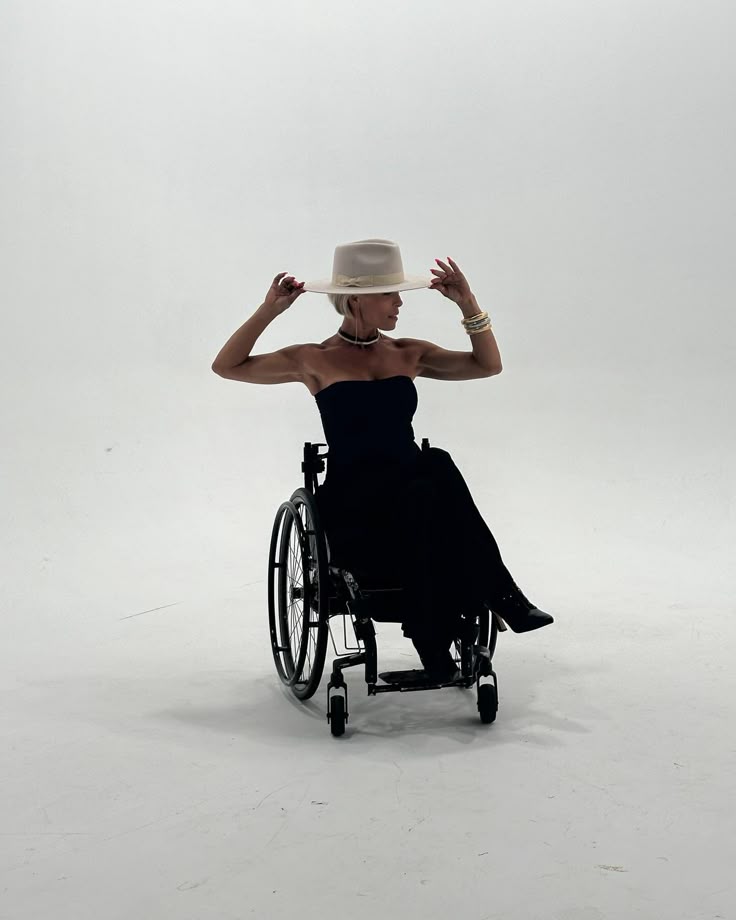
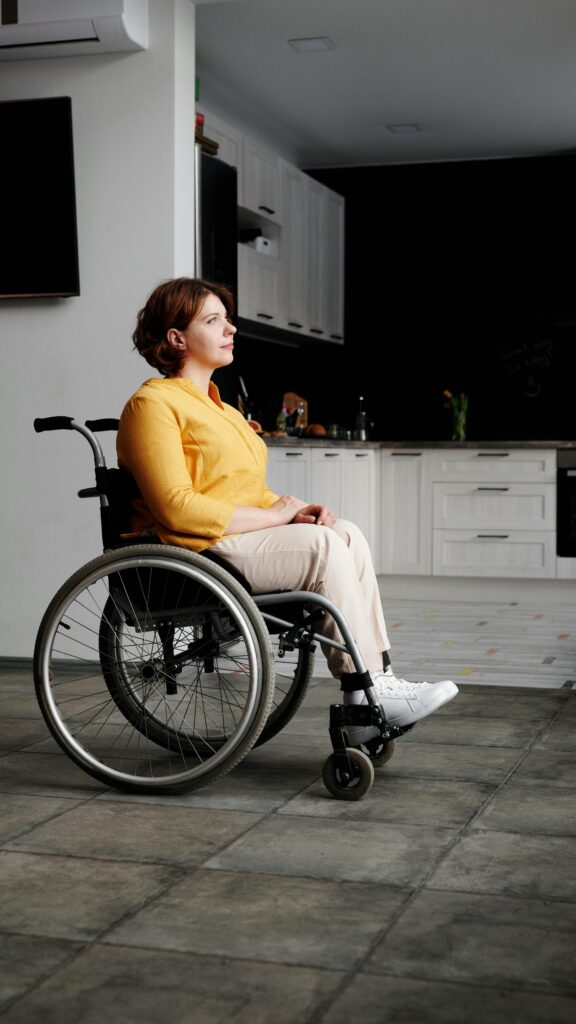
Women’s fashion has evolved over the years, keeping pace with cultural, social, and technological changes. However, one aspect that is often overlooked is fashion for women in wheelchairs. This article explores how these women’s wardrobes are transformed, taking into account the necessary adaptations and the creative opportunities that arise from this process.
A Brief History
The history of fashion is rich and multifaceted. Since ancient times, clothing has been used not only to cover the body but also as a form of personal expression and social status. However, the inclusion of people with disabilities in the fashion narrative is relatively recent.

In past decades, society often marginalized those who did not conform to traditional standards. Women in wheelchairs were often ignored by the fashion industry. Clothes were designed without considering their specific needs, resulting in limited and impractical options.
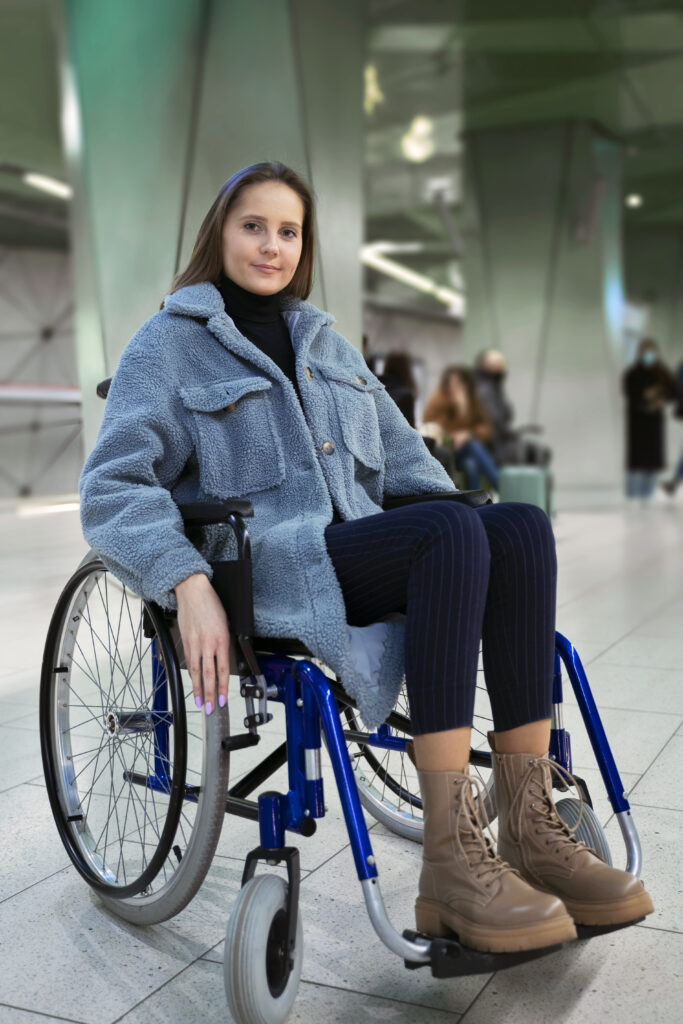
Over time, this perception changed. Designers began to recognize the importance of inclusion and accessibility in fashion. This brought a new perspective on what it means to be fashionable, regardless of physical limitations. The revolution began to gain momentum in the 2000s when the voices of women in wheelchairs began to be heard more forcefully.
The Body and the Wardrobe
The experience of getting dressed goes beyond aesthetics. For a woman in a wheelchair, the body has unique characteristics and needs that directly influence clothing choices. Reduced mobility can affect how pieces fit, the materials used, and even the practicality of each item.
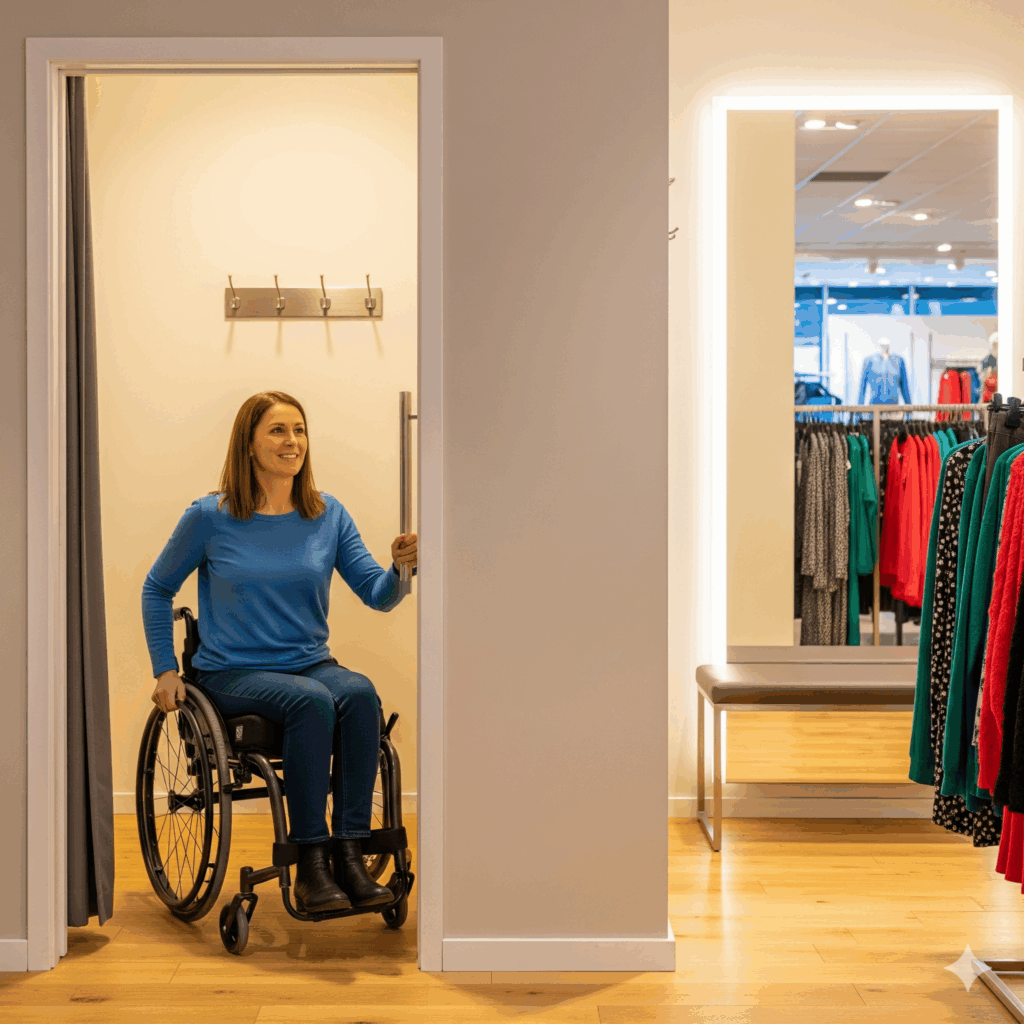
One of the main challenges is finding clothes that are both comfortable and functional. Women in wheelchairs often need clothes that adapt to different positions throughout the day, whether in a wheelchair or when transferring to a different surface. This requires a deep understanding of specific needs and an innovative approach to design.
Creative Adaptations
Adapting a wardrobe involves more than just making small adjustments to existing pieces. Designers have explored new ways to create clothes that combine style and functionality. This search for innovation has led to the emergence of clothing lines designed specifically for women in wheelchairs.
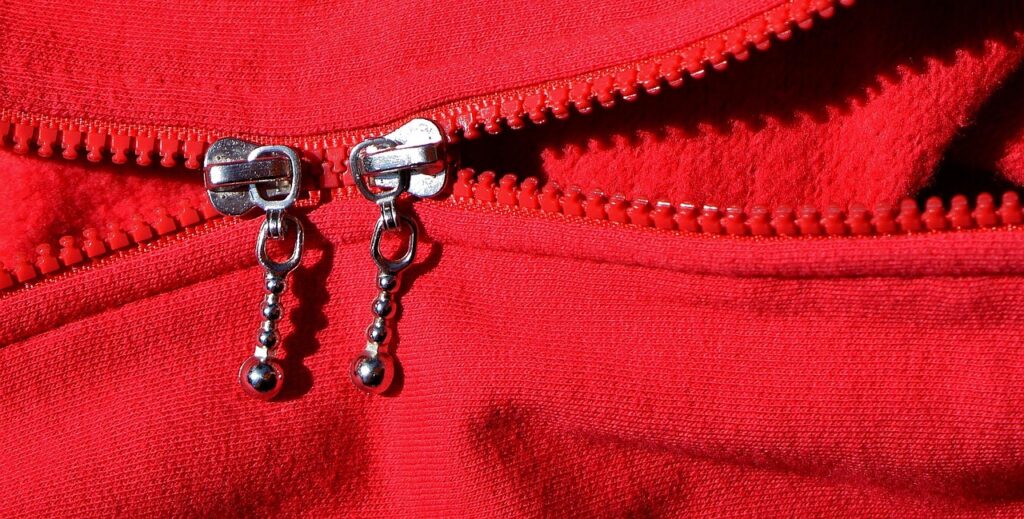
A growing trend is the use of alternative closures, such as side zippers or magnetic buttons, which make dressing and undressing easier. Stretchy and lightweight fabrics have also been widely adopted, providing greater comfort and freedom of movement.
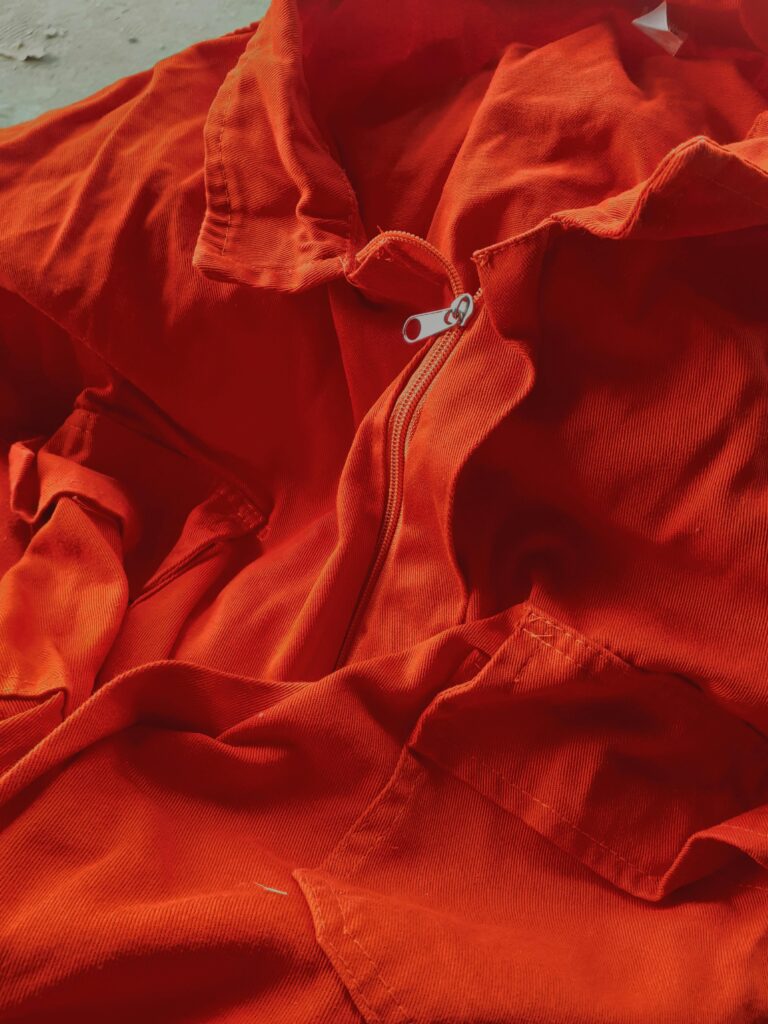
Additionally, the choice of colors and prints plays a significant role in self-expression. Every woman has her own style and personality, and fashion should reflect that. The options are as diverse as the women themselves, from vibrant floral prints to sober and elegant color palettes.
Rediscovering the Wardrobe
Rediscovering one’s wardrobe is an empowering journey. Women in wheelchairs are re-evaluating their clothes, learning to love and value each piece. This process involves not only a physical change but also an emotional transformation.
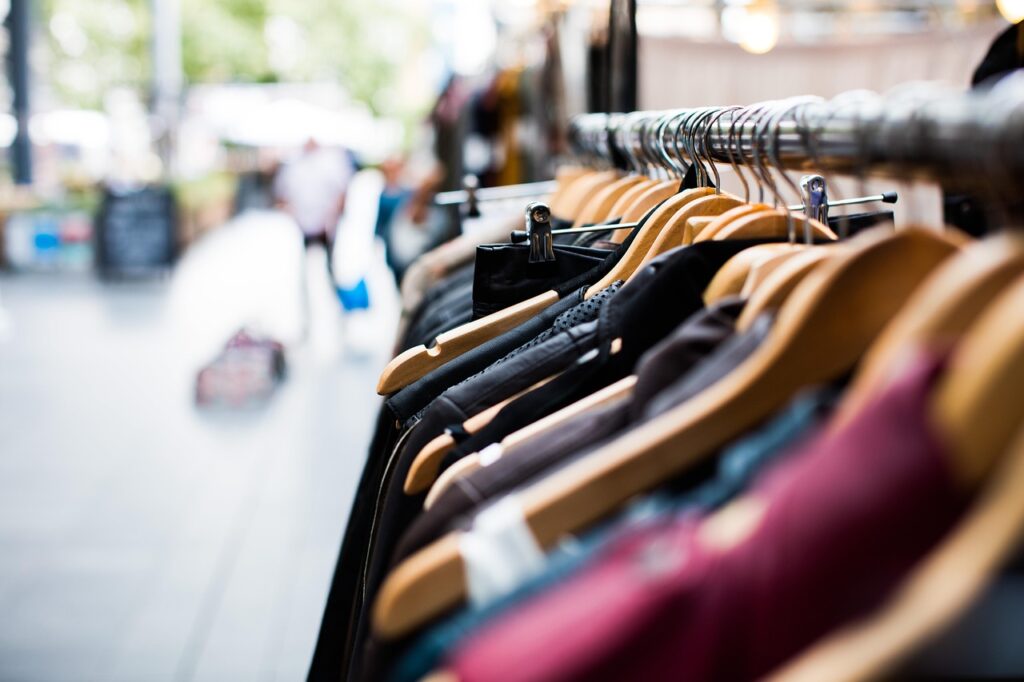
The first step is to recognize the value of the pieces they already own. Often, something that seems not to work can be reinvented with a simple adjustment. A blouse that doesn’t fit perfectly can be worn in a new way, or a dress can be transformed into a skirt.
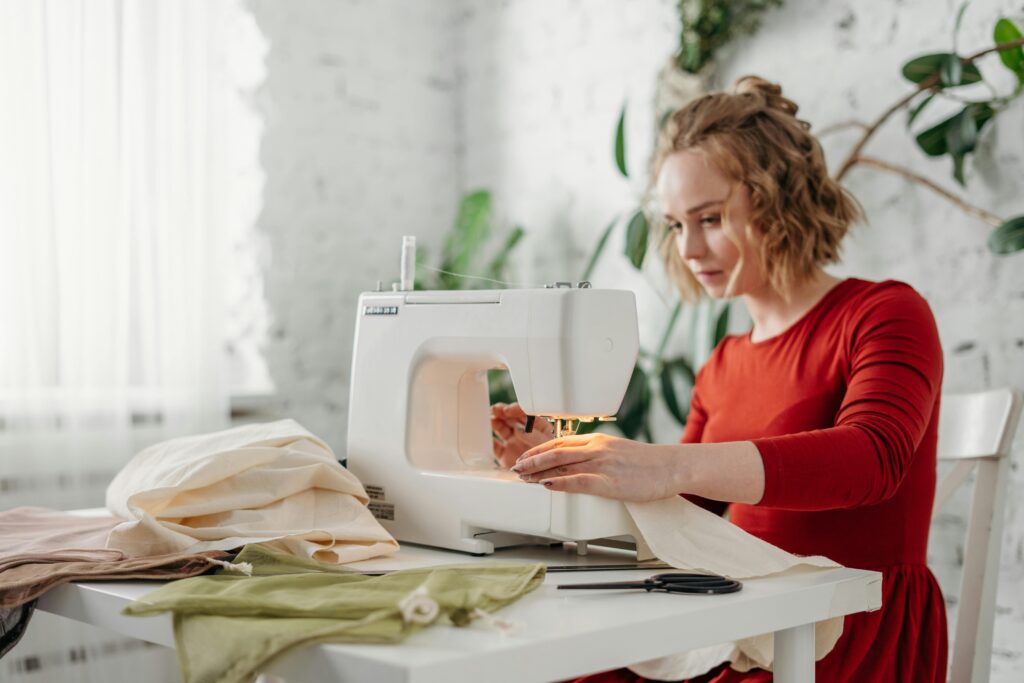
This practice of repurposing inspires creativity. Clothing swaps among friends, customizations, and DIY (do-it-yourself) projects are fun ways to refresh a wardrobe. Instead of discarding old pieces, every woman is encouraged to seek out new combinations, creating unique and personal looks.
Fashion as a Form of Expression
Fashion is a powerful form of communication. For women in wheelchairs, expressing their individuality through clothing is fundamental. Each style choice tells a story, reflects experiences, and highlights personal identity.
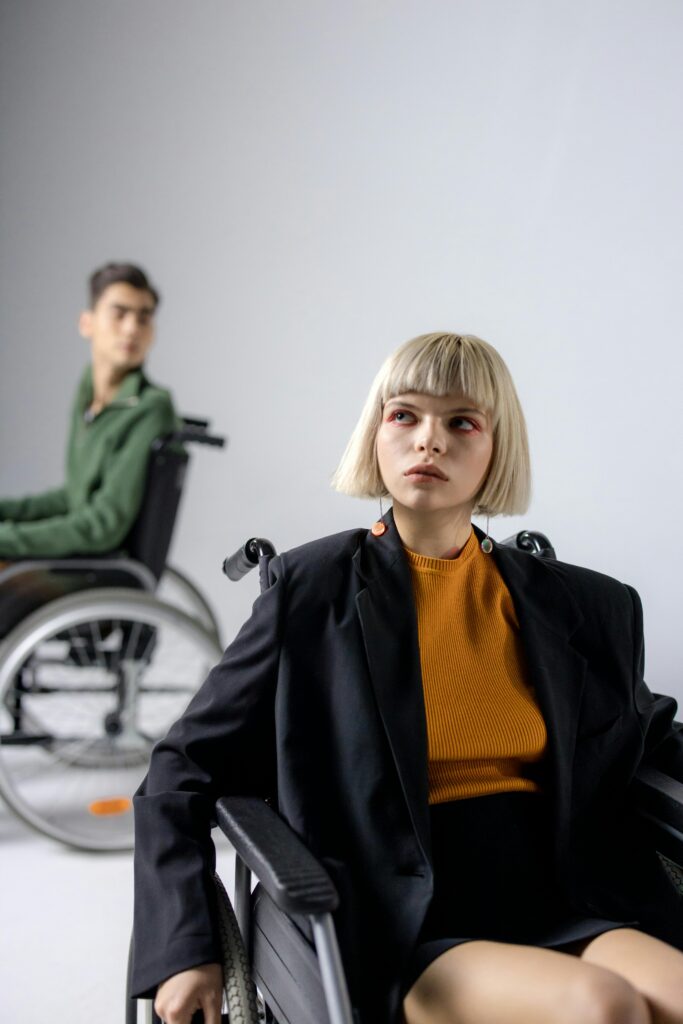
The presence of wheelchair models in fashion shows and advertising campaigns has contributed to this visibility. Women are beginning to realize that they belong in a larger space where their stories and styles are valued. This representation is crucial, as it shows that fashion has no boundaries and that every body deserves to shine.
Community and Social Media
Social media has emerged as a vital platform for sharing experiences, fashion tips, and self-acceptance. The online community of women in wheelchairs has fostered a safe space for information exchange and support. https://www.youtube.com/watch?v=wJs4URCw09Q
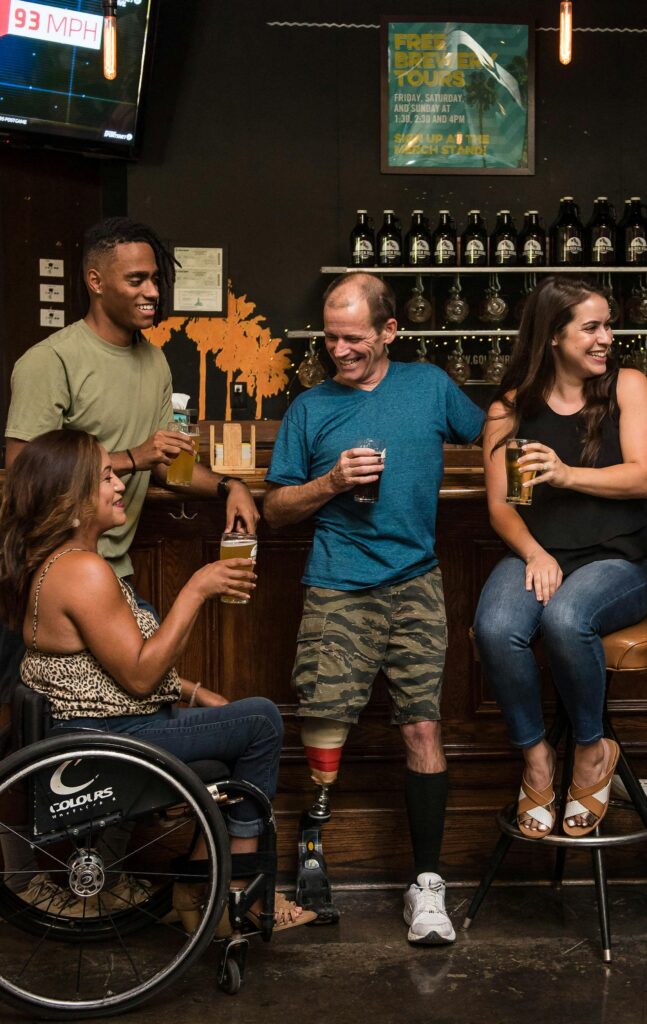
Specific hashtags, such as #FashionForAll and #DisabilityFashion, help connect thousands of people. Digital influencers play an important role in this context, showing that fashion goes beyond physical limitations. Their posts inspire other women to try new styles and challenge conventional norms.
The Role of Designers
Designers have a crucial role in promoting inclusion in fashion. Brands are increasingly incorporating feedback from women in wheelchairs during the design process. This collaboration is essential to ensure that the pieces meet real needs and provide both comfort and style.
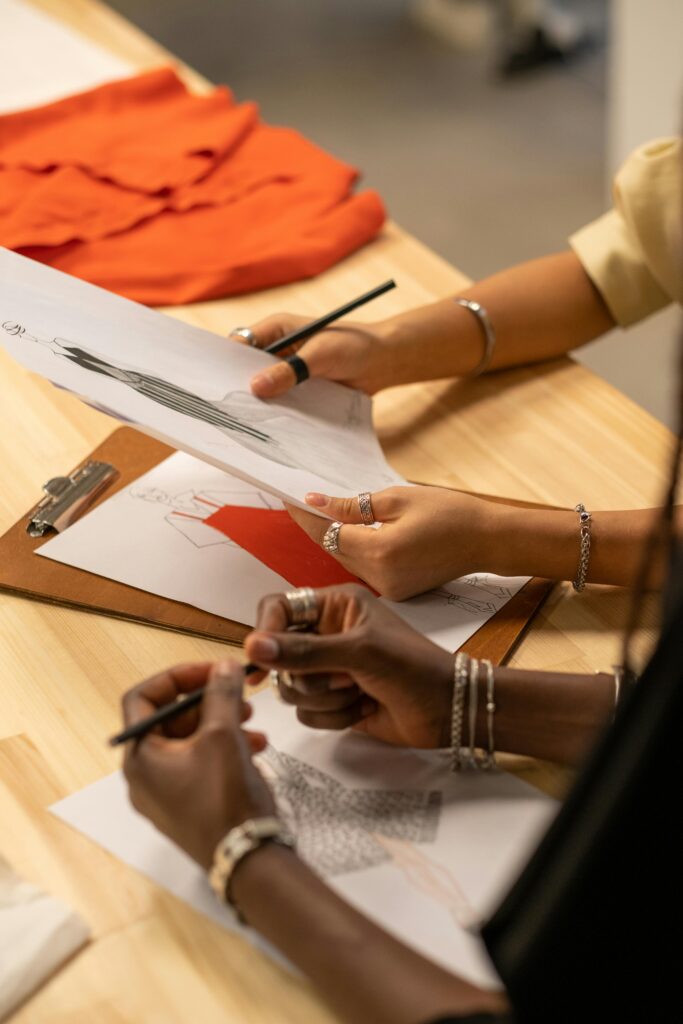
Some brands have stood out in this area, proposing collections that consider both aesthetics and functionality. The pursuit of more inclusive fashion is a growing trend, and the market is beginning to respond to this demand. Women in wheelchairs can now find not just pieces, but true fashion statements.
The Importance of Representation
Representation goes beyond having models with disabilities in fashion shows. It’s about creating a space where all women feel seen and heard. When women in wheelchairs see themselves reflected in fashion, it creates a cycle of empowerment.
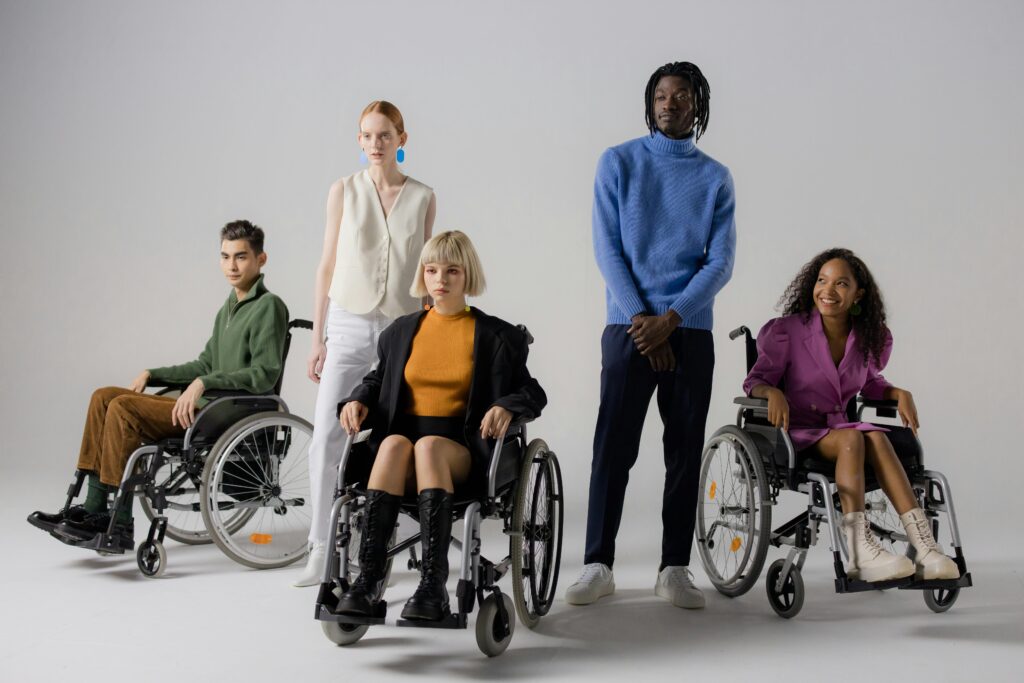
More and more, fashion events are being held with a focus on inclusion, featuring women of different styles and bodies. These initiatives not only celebrate diversity but also help break down harmful stereotypes.
The Future of Inclusive Fashion
The future of fashion for women in wheelchairs is promising. As awareness of inclusion grows, it is expected that brands will invest even more in adaptive designs and in campaigns that celebrate diversity. Breaking away from conventional beauty standards will be a fundamental step.

Technology can also play a significant role. Innovations like augmented reality can offer unique shopping experiences, allowing women to virtually try on clothes before buying them. This evolution can make fashion even more accessible to everyone.
Celebrating Individuality
In the end, fashion for women in wheelchairs is a celebration of individuality and creativity. Each look speaks about who she is and her journey. Regardless of the challenges faced, these women continue to redefine the meaning of style.
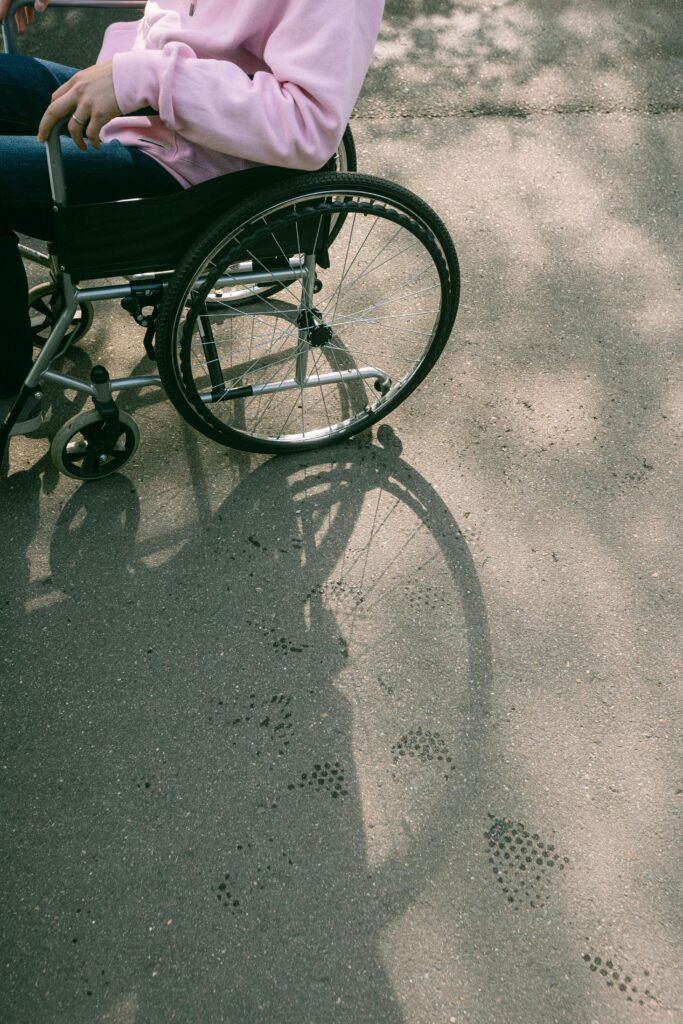
In the world of fashion, every woman has the right to express herself freely. Inclusion is not just a social obligation but also an opportunity to enrich the narrative of women’s fashion. Women in wheelchairs are here to stay, and their contribution is invaluable.
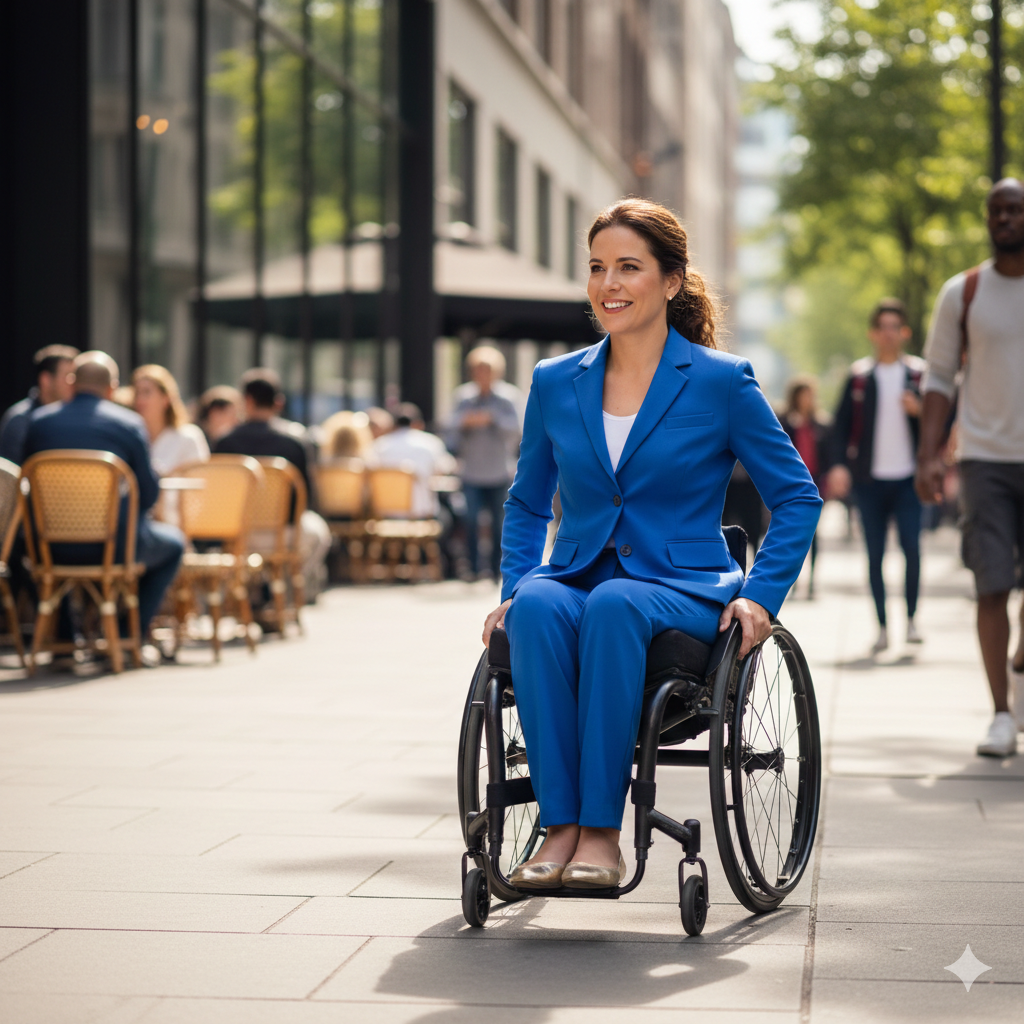
Fashion is about living life to the fullest, regardless of circumstances. And for women in wheelchairs, that means having the freedom to choose and create their own style. A new perspective on the wardrobe can lead to incredible discoveries. Therefore, let’s celebrate adaptations, creativity, and the relentless pursuit of what is beautiful and authentic.

In this constantly evolving field, the most essential truth remains: all women deserve to feel beautiful, powerful, and comfortable in their fashion choices, regardless of their limitations or experiences. Fashion is a movement, and each of them is actively writing their own story.
You will also like: https://cafecomcanela.com/inclusiva-estilo-para-mulheres-cadeirantes/